People love gear that feels like theirs. A name on the heel. A jersey number on the cuff. A tiny heart on a kid’s backpack. In store customization makes that moment happen today, not next week. The secret is color on demand threads plus a small, tidy workflow. You pick the shade. The store loads the thread. The machine stitches. The customer smiles and walks out with something special.
What color on demand really means
Color on demand does not mean guessing a near shade. It means you can match a color target with a short setup and small inventory. The system has three parts.
- A digital color library with measured LAB values and fast recipes.
- Small thread packs that are dyed or selected to hit those targets. Some are pre colored minis. Some stores refresh daily from a local hub.
- A store app that links the garment color to the right thread code and stitch settings.
This mix lets a store deliver many colors without a wall of big cones.
Why this is ready for the store
- Small format machines are quiet and safe.
- Mini cops and small spools swap fast and store in drawers.
- Digital color picks remove guesswork.
- Approved stitch menus protect fabric and seams.
So the team can make a clean name mark or patch in minutes.
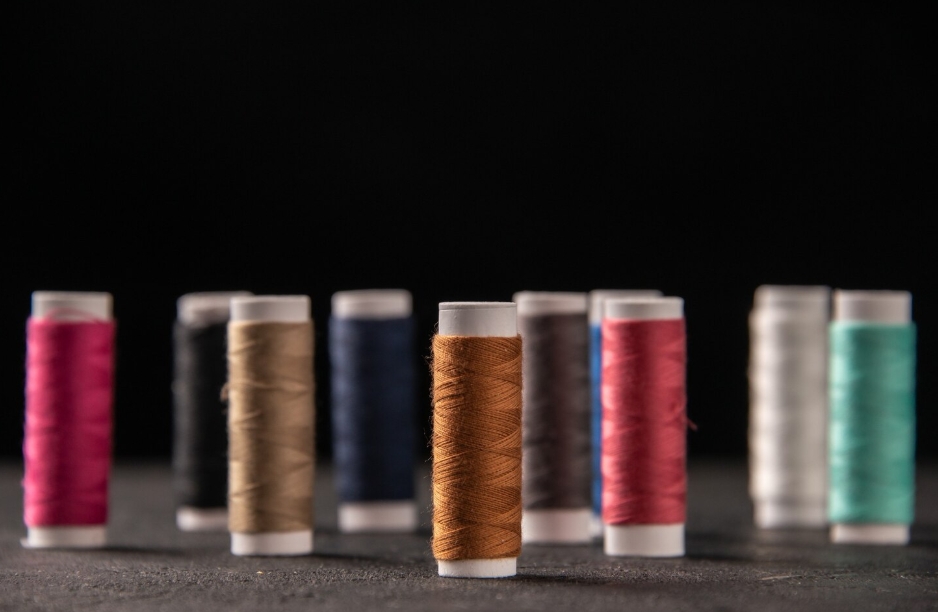
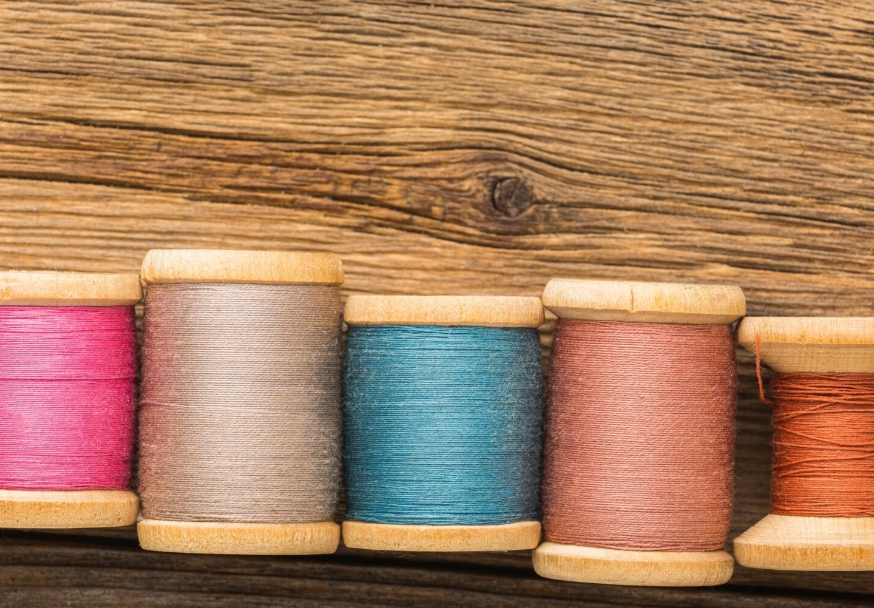
Building the thread palette
Start simple. Then grow.
- Core neutrals. White, near white, two blacks, charcoal, navy. These cover most quick jobs.
- Warm set. Red, coral, orange, brick, cocoa.
- Cool set. Sky, royal, teal, mint, forest.
- Specials. Metallic look polyester for sparkle. Reflective thread for accents on kids and runners. A couple of skin tone shades for initials on natural fabrics.
Every shade gets a color code, a ticket size, and a finish note. Use low friction finish for smooth sewing. Keep silicone free near any bonded or printed zones so nothing lifts later.
Machines and fixtures for a tiny bar
- One single needle lockstitch with an edge guide for neat lines.
- One compact embroidery head for monograms and small icons (polyester embroidery thread).
- A small heat press with timer and a cool clamp block.
- Two feet types. Standard and compensating for edges.
- Needle sets for knits and wovens. Ball point for knits. Micro or light round for wovens.
Keep the counter bright. Use dark mats so the team can see stitches and shadows.
Stitch recipes that look premium
Monograms on tees and hoodies
- Sewing machine thread. Corespun polyester Tkt 120 to 100.
- Needle. Ball point NM 70 to 75.
- Stitch. Satin or tight zigzag for curves. Use backing that tears clean.
- Placement. Left chest or sleeve. Keep clear of heavy print.
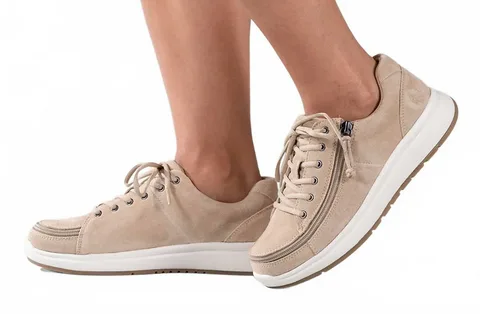
Name on heel tab or tongue loop
- Thread. Tkt 80 to 60 for a bolder look.
- Needle. Micro point NM 80 to 90 for synthetics.
- Stitch. 301 lockstitch, length 3.2 to 3.5 mm, or a tiny satin if space allows.
- Trick. Press a shallow stitch channel first so the row sits low and does not rub.
Edge highlights on bags or caps
- Thread. Reflective accent or metallic look polyester in small runs.
- Stitch. Double rail two slim lines 2 to 3 mm apart.
- Corners. Radius 6 to 8 mm so stitches do not crowd.
Fast color matching in the store
The app reads the garment color from a QR or scans a swatch with a small sensor. It shows three options.
- Exact match when the library has the shade.
- Near match with a plus or minus note on warmth or coolness.
- Contrast picks that look great even if exact is not possible.
Staff taps the pick. The app shows needle, ticket, stitch, and any backing. It also shows care notes, like no softener for performance tees.
Time and cost that customers accept
- A simple monogram in one color takes 5 to 7 minutes.
- A heel tab name with setup is 6 to 10 minutes.
- A two color small icon might be 10 to 15 minutes.
Prices can be flat or by stitch count. Keep the menu clear. Offer a free quick fix under warranty and a small fee for personal work.
Quality checks that keep errors rare
- Raking light check. Place the stitch under a low lamp. If it waves, adjust tension or length.
- Pull test. Light tug with fingers. If loops lift, lower top tension or add backing for that fabric.
- Color check. View in daylight. If shade looks too bright or too dull, pick the second option in the app.
Clean data the brand can use
Log the job with three fields. Color code, seam recipe, and time taken. Over weeks you will see which shades sell and which recipes need a tweak. You can refresh the mini packs from the hub based on real use, not guesses.
Troubleshooting quick table
| Problem | Likely cause | Fast fix |
| Puckering around letters | Needle too big or top tension high | Drop needle one size, lower tension, add light backing |
| Color looks off after press | Heat shifted shade or wrong pick | Lower dwell, re pick near match option |
| Thread frays on synthetic | Needle heat or rough plate | Use coated needle, smooth plate, slow slightly |
| Name rubs on skin | Stitch sits high | Press a channel, use softer backing or cover tape |
| Bonded print lifts near stitch | Silicone finish or tight stitch | Use silicone free thread, lengthen to 3.2 to 3.5 mm |
One week pilot plan
Day 1 load 18 mini shades and two specials.
Day 2 train the team for 60 minutes on three recipes and color picks.
Day 3 soft open with staff items and store samples.
Day 4 offer free initials with any tee. Time each job.
Day 5 add heel tab names on two shoe styles.
Day 6 review data. Restock top shades. Adjust two stitch settings if needed.
Day 7 publish the menu and start normal service.
Tech lines you can copy
- Thread corespun polyester, mini packs, Tkt 120 to 60 depending on use, low friction, silicone free near bonds
- Needles BP 70 to 75 knit, micro 80 to 90 woven
- Stitch satin for small curves, 301 length 3.2 to 3.5 mm for names, double rail 2 to 3 mm apart for edges
- Press light heat, short dwell, cool clamp 1 to 2 seconds for bonded zones
- Color choose from digital library. Record code in the job log
Wrap
Color on demand threads turn a store into a small studio. You match the shade fast. You stitch clean lines with the right needle and recipe. You keep stock small but useful. The customer sees their idea arrive in minutes. That is how same day personalisation becomes normal, repeatable, and fun.